VirTool:Win32/CeeInject.AKZ!bit

Emily Beck
Updated on April 18, 2026
What is VirTool:Win32/CeeInject.AKZ!bit infection?
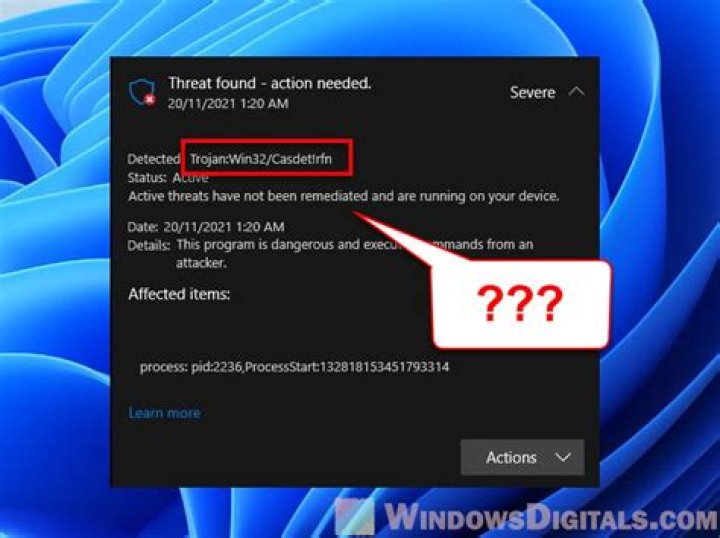
In this short article you will find concerning the definition of VirTool:Win32/CeeInject.AKZ!bit as well as its adverse impact on your computer. Such ransomware are a form of malware that is clarified by on-line frauds to require paying the ransom by a victim.
In the majority of the cases, VirTool:Win32/CeeInject.AKZ!bit ransomware will advise its targets to initiate funds transfer for the purpose of counteracting the changes that the Trojan infection has presented to the sufferer’s tool.
VirTool:Win32/CeeInject.AKZ!bit Summary
These adjustments can be as adheres to:
- Executable code extraction;
- Attempts to connect to a dead IP:Port (1 unique times);
- Creates RWX memory;
- Reads data out of its own binary image;
- Performs some HTTP requests;
- The binary likely contains encrypted or compressed data.;
- Deletes its original binary from disk;
- Attempts to modify proxy settings;
- Creates a copy of itself;
- Ciphering the records found on the target’s disk drive — so the sufferer can no longer utilize the data;
- Preventing regular access to the victim’s workstation;
Related domains:
| z.whorecord.xyz | Trojan.Vundo |
| a.tomx.xyz | Trojan.Vundo |
| pastebin.com | Trojan.Vundo |
| ocsp.digicert.com | Trojan.Vundo |
VirTool:Win32/CeeInject.AKZ!bit
One of the most common networks whereby VirTool:Win32/CeeInject.AKZ!bit Ransomware are infused are:
- By methods of phishing emails;
- As a repercussion of individual ending up on a source that holds a harmful software program;
As soon as the Trojan is effectively injected, it will certainly either cipher the information on the target’s PC or protect against the device from functioning in a correct manner – while additionally placing a ransom money note that discusses the requirement for the targets to effect the settlement for the objective of decrypting the papers or recovering the file system back to the initial condition. In many circumstances, the ransom note will certainly come up when the client reboots the PC after the system has already been damaged.
VirTool:Win32/CeeInject.AKZ!bit distribution channels.
In various corners of the world, VirTool:Win32/CeeInject.AKZ!bit grows by leaps and also bounds. Nonetheless, the ransom money notes as well as tricks of obtaining the ransom money quantity might vary depending on certain neighborhood (regional) settings. The ransom notes as well as techniques of extorting the ransom amount may vary depending on particular regional (local) settings.
As an example:
Faulty signals concerning unlicensed software application.
In particular locations, the Trojans typically wrongfully report having actually found some unlicensed applications allowed on the sufferer’s device. The sharp then requires the individual to pay the ransom money.
Faulty statements concerning prohibited web content.
In countries where software piracy is less prominent, this method is not as reliable for the cyber fraudulences. Conversely, the VirTool:Win32/CeeInject.AKZ!bit popup alert might falsely assert to be deriving from a police institution as well as will report having located child porn or various other unlawful information on the tool.
VirTool:Win32/CeeInject.AKZ!bit popup alert might falsely assert to be deriving from a regulation enforcement institution and will report having situated child porn or other illegal information on the gadget. The alert will similarly include a need for the user to pay the ransom money.
Technical details
File Info:
crc32: 6C8F0FCDmd5: c9e6e93835d2ba3182cdff6ee265801fname: C9E6E93835D2BA3182CDFF6EE265801F.mlwsha1: 7bed7a647b689677cd807c53b6929275384350besha256: 1a170872c9ccc16a31ecfc16029e067a36509a4a850e6cae6d352ad20680f75asha512: cd5ecb32401dec90ecc981a24c9c27743829bf38dcc13ffb49af759915b5b3f821511da53f3108e6adb9f15f1cc66615a5824bf747c62708e467dc90d4a0d27cssdeep: 12288:HotOjA2RO8JxyXl3/fMIPNT9ieCYAhxvvg6pNoic+:HA0AD8JxyXl3/fMIPNT9Gxg6pRc+type: PE32 executable (console) Intel 80386 (stripped to external PDB), for MS WindowsVersion Info:
0: [No Data]
VirTool:Win32/CeeInject.AKZ!bit also known as:
| Bkav | W32.AIDetect.malware1 |
| K7AntiVirus | Trojan ( 00574b221 ) |
| Lionic | Trojan.Win32.Generic.4!c |
| Elastic | malicious (high confidence) |
| DrWeb | Trojan.Packed2.41883 |
| Cynet | Malicious (score: 100) |
| CAT-QuickHeal | Trojan.Skeeyah.J1 |
| ALYac | Gen:Variant.Symmi.93251 |
| Cylance | Unsafe |
| Zillya | Trojan.Generic.Win32.139033 |
| Sangfor | Trojan.Win32.Save.a |
| CrowdStrike | win/malicious_confidence_100% (D) |
| Alibaba | VirTool:Win32/CeeInject.2cba4cd9 |
| K7GW | Trojan ( 00574b221 ) |
| Cybereason | malicious.835d2b |
| Cyren | W32/S-738ba6f0!Eldorado |
| Symantec | ML.Attribute.HighConfidence |
| ESET-NOD32 | a variant of Win32/Kryptik.HHBK |
| APEX | Malicious |
| Avast | Win32:MalwareX-gen [Trj] |
| Kaspersky | HEUR:Trojan.Win32.Generic |
| BitDefender | Gen:Variant.Symmi.93251 |
| NANO-Antivirus | Trojan.Win32.PackedENT.fkjbeg |
| MicroWorld-eScan | Gen:Variant.Symmi.93251 |
| Tencent | Trojan.Win32.Kryptik.gify |
| Ad-Aware | Gen:Variant.Symmi.93251 |
| Sophos | Mal/Generic-R + Mal/Inject-GJ |
| Comodo | TrojWare.Win32.Kryptik.TLS@812zm8 |
| BitDefenderTheta | Gen:NN.ZexaF.34236.TCX@aiHH1Cb |
| McAfee-GW-Edition | BehavesLike.Win32.Sytro.bc |
| FireEye | Generic.mg.c9e6e93835d2ba31 |
| Emsisoft | Gen:Variant.Symmi.93251 (B) |
| SentinelOne | Static AI – Malicious PE |
| Jiangmin | Trojan.Generic.cmfoo |
| Avira | TR/Crypt.XPACK.Gen |
| Antiy-AVL | Trojan/Generic.ASBOL.C62E |
| Microsoft | VirTool:Win32/CeeInject.AKZ!bit |
| Arcabit | Trojan.Symmi.D16C43 |
| SUPERAntiSpyware | |
| GData | Gen:Variant.Symmi.93251 |
| TACHYON | Trojan/W32.Selfmod |
| AhnLab-V3 | Trojan/Win32.Packed.R358585 |
| Acronis | suspicious |
| McAfee | Packed-FJB!C9E6E93835D2 |
| MAX | malware (ai score=100) |
| VBA32 | Trojan.Packed |
| Malwarebytes | Trojan.Vundo |
| Panda | Trj/Genetic.gen |
| Rising | Trojan.Kryptik!1.B34D (CLASSIC) |
| Yandex | Trojan.GenAsa!0xM7zILK7cg |
| Ikarus | Trojan.Patched |
| MaxSecure | Win.MxResIcn.Heur.Gen |
| Fortinet | W32/Zusy.304525!tr |
| AVG | Win32:MalwareX-gen [Trj] |
| Paloalto | generic.ml |
How to remove VirTool:Win32/CeeInject.AKZ!bit ransomware?
There is no better way to recognize, remove and prevent PC threats than to use an anti-malware software from GridinSoft">2.
Download GridinSoft Anti-Malware.
You can download GridinSoft Anti-Malware by clicking the button below:
Download GridinSoft Anti-MalwareRun the setup file.
When setup file has finished downloading, double-click on the setup-antimalware-fix.exe file to install GridinSoft Anti-Malware on your system.
An User Account Control asking you about to allow GridinSoft Anti-Malware to make changes to your device. So, you should click “Yes” to continue with the installation.
Press “Install” button.
Once installed, Anti-Malware will automatically run.
Wait for the Anti-Malware scan to complete.
GridinSoft Anti-Malware will automatically start scanning your system for VirTool:Win32/CeeInject.AKZ!bit files and other malicious programs. This process can take a 20-30 minutes, so I suggest you periodically check on the status of the scan process.
Click on “Clean Now”.
When the scan has finished, you will see the list of infections that GridinSoft Anti-Malware has detected. To remove them click on the “Clean Now” button in right corner.
Are Your Protected?
GridinSoft Anti-Malware will scan and clean your PC for free in the trial period. The free version offer real-time protection for first 2 days. If you want to be fully protected at all times – I can recommended you to purchase a full version:
Full version of GridinSoft Anti-Malware
If the guide doesn’t help you to remove VirTool:Win32/CeeInject.AKZ!bit you can always ask me in the comments for getting help.
References
- GridinSoft Anti-Malware Review from HowToFix site:
- More information about GridinSoft products: